Modern Style in Interior Design: Clean Lines, Light and Function
Modern style in interior design means clean lines, functionality and a sensible minimum of decor — how it differs from minimalism and how to adapt it to your apartment.
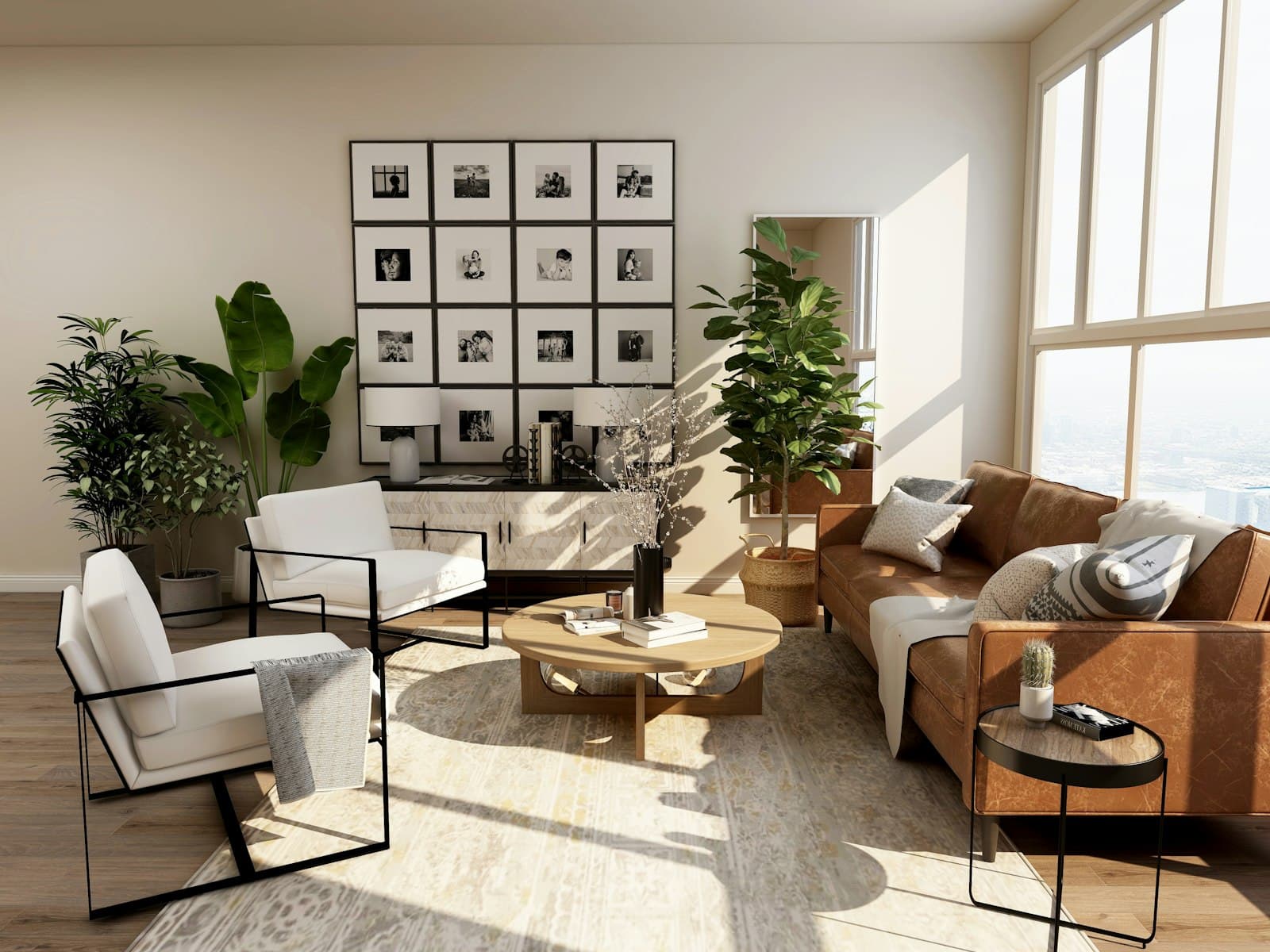
Modern style in interior design is perhaps the most universal answer to the question "how do we live today." Unlike classic or Provence style, it isn't tied to a specific era or country — it draws on the best ideas of recent decades: clean lines, functionality and a sensible minimum of decor. It's a style people choose not because it's fashionable this season, but because it's comfortable — with none of the strict rules of art deco or the asceticism of minimalism, just the logic and ease of everyday life. That's why modern style remains one of the most common requests among people ordering an interior design project for the first time and still unsure what suits them.
What Modern Style in Interior Design Actually Means
Modern style (in the international sense, "contemporary") took shape in the second half of the 20th century as a reaction against the over-decorated interiors of the past. It absorbed the ideas of modernism — simple forms, functionality, a rejection of excessive ornament — without turning into a rigid doctrine the way minimalism did. A bold accent, a decorative detail or an unusual texture are all welcome here, as long as they support the overall look rather than compete with it. That's why modern style coexists so easily with new technology, open layouts and changing habits: it evolves with the times instead of freezing them in place, the way historical styles with their strict canons tend to do.
Key Features
- Clean lines — simple geometric forms in furniture and architecture, without excess decoration.
- Functionality — every object and zone is designed around real everyday scenarios.
- Open layouts — minimal partitions, merging kitchen, living and dining areas.
- A neutral base — light and grey tones as a backdrop for accents.
- Restrained decor — one or two expressive details instead of visual noise.
- Technology — built-in appliances, concealed engineering, carefully layered lighting scenes.
How Modern Style Differs From Minimalism
Modern style is often confused with minimalism, but the difference is fundamental. Minimalism is a discipline: a strict rejection of anything not purely functional. Modern style is softer — it allows decorative touches when they earn their place, and isn't afraid of warm accents, a collectible furniture piece or an unexpected wall texture. If minimalism is about renunciation, modern style is about choice: keeping only what you love and what works, without turning the interior into an ascetic statement. That makes it far friendlier for families with children and pets and an ordinary daily routine, where strict minimalism demands a level of discipline and constant near-perfect order that's hard to sustain.
Materials and Palette
Materials in a modern interior are honest and practical: wood, stone, metal, glass, quality textiles. They aren't disguised as antiques or dressed up with excess carving — texture and form speak for themselves. The palette rests on a neutral base — white, light grey, warm beige — with accents introduced sparingly: dark wood, black metal, deep blue or terracotta textiles. This approach keeps the interior timeless: it doesn't age with a passing "colour of the year" trend, because it relies on form and proportion rather than a fashionable wall shade. Well-considered lighting is a tool in its own right here: several lighting scenes for different times of day do as much work as changing the decor, and often become the very element that makes a space feel truly alive.
Modern Style in an Ordinary Apartment
The good news: modern style doesn't require a major reconfiguration or expensive finishes. It works equally well in a compact studio and in a spacious house, because it's built on logic rather than square footage. It's enough to plan the zoning thoughtfully, choose a neutral base finish, invest in quality furniture with simple forms, and add layered lighting — spot, directional, concealed. Furniture here is functional and often transformable: a folding table, a modular sofa, storage systems without visible handles or excess hardware. Such an interior is easy to refresh — swap a couple of accent cushions, a textile or a lamp — without touching the foundation or reworking the whole project, which is exactly what suits people unwilling to start a new renovation every few years.
Modern style doesn't follow fashion — it follows the logic of comfortable living.
Modern style in interior design suits those who value order, light and practicality but aren't willing to give up individuality for the strict rules of minimalism. It offers freedom: you can add a bold accent, an unusual texture or a collectible piece, as long as it supports the overall picture rather than breaking it. That's exactly why modern style remains one of the most sought-after requests in interior design — it ages gracefully and changes easily along with you, rather than dictating one frozen picture for years to come. A good designer always adapts the style's general principles to the specific layout, family composition and everyday rhythm — there's no such thing as a universal solution that fits every apartment at once.