Contemporary interior style: a balance of relevance and calm
Contemporary interior style isn't a passing trend — it's a flexible system that moves with today and updates itself without a full renovation. Here's what sets contemporary apart from modern style, and how to build it without slipping into blandness.
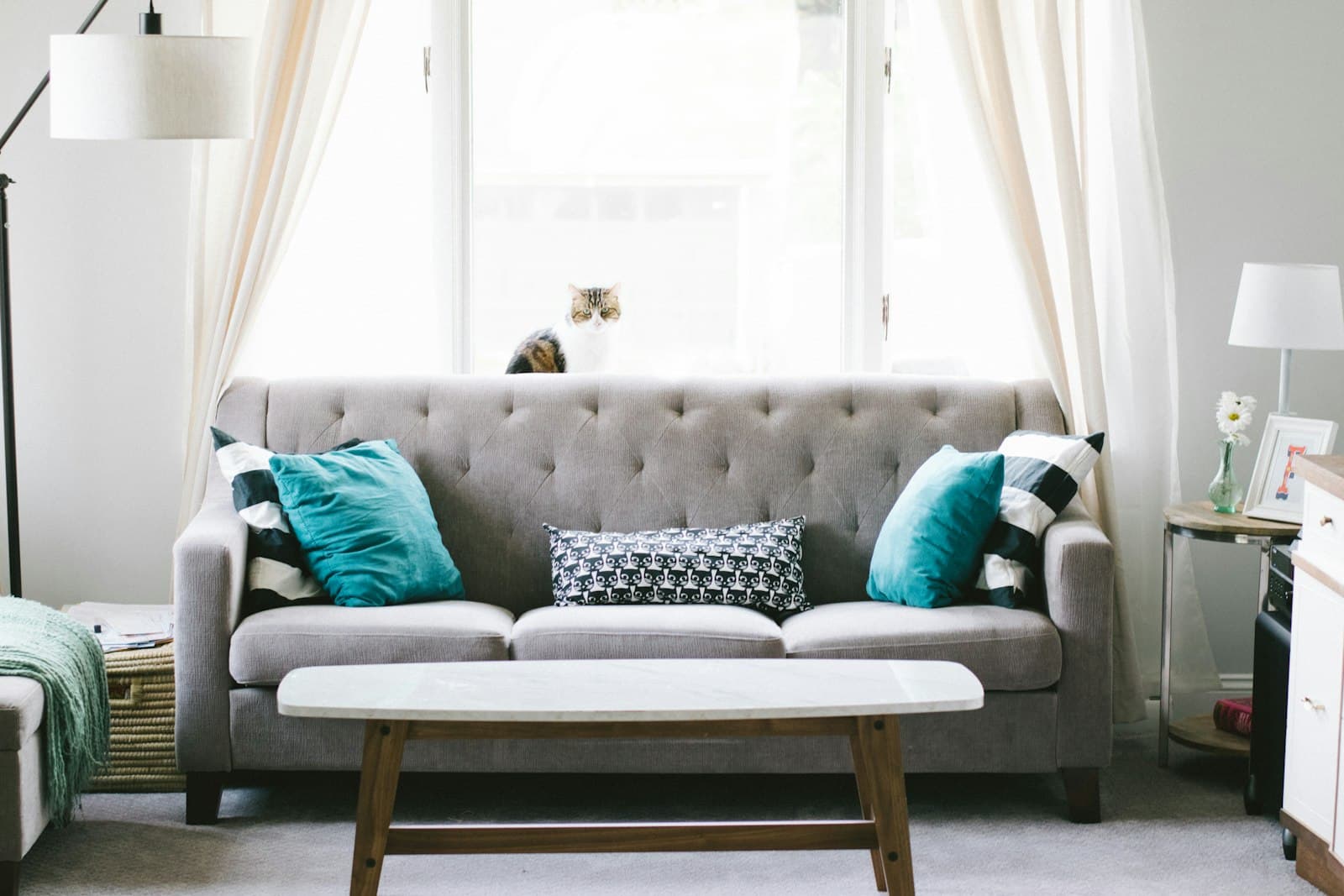
Contemporary interior style gets mistaken either for modern style or for a faceless "euro-renovation" — everything done neatly, yet leaving no personal impression at all. In reality, contemporary is its own direction with its own logic: it isn't tied to a single era or a strict canon the way art deco or neoclassicism are. Instead it gathers whatever is relevant right now and keeps shifting with time, without demanding a full renovation every few years. Here's what actually stands behind the word, and why a well-built contemporary interior isn't "a bit of everything" but precise work with balance.
Contemporary interior style: what it actually is
The word "contemporary" simply means "of today," which is exactly why the style keeps getting confused with the market's idea of "modern style." But the difference matters. Modern interior style has already settled into a fixed direction with its own set of markers: clean lines, minimal decor, functionality. Contemporary, on the other hand, isn't a fixed style at all — it's a way of thinking rooted in the here and now: it absorbs current trends without freezing around them, ready to shift with fashions in colour, material or furniture form without breaking the interior's overall logic.
The key traits of contemporary
- A neutral but not faceless base — light walls and floors, onto which seasonal accents or the owner's personal pieces are layered.
- Simple but not austere furniture forms — free of carved decoration, yet without minimalism's strict geometry either.
- A mix of textures within a calm palette — matte wood, textile, unpolished metal, glass — instead of one dominant material.
- Flexibility to refresh — swapping textiles, lighting or a couple of decor pieces updates the look without renovation.
- Function first — every piece of furniture solves a concrete task rather than working for looks alone.
Palette and materials of contemporary style
The contemporary palette rests on a neutral base — light grey, warm white, beige, graphite — onto which one or two accents are added, ones that can shift with the season or mood without touching the wall finishes. The same principle applies here as in any well-considered interior palette: the base has to stay stable while the accents stay movable, so the interior doesn't demand a renovation every time taste changes — more on that logic in the piece on choosing a colour palette for an interior. Materials are chosen for a calm texture, though not necessarily a budget one: matte wood, unpolished metal, textured textile, glass — together they create a sense of intention without visual noise.
Contemporary isn't a style frozen at one moment — it's a way of living in an interior that can change along with you, without having to start over each time.
Contemporary style in the living room: how it works in practice
The living room is the space where contemporary reveals itself most fully, because it's where presentability and everyday comfort need to coexist most. A neutral-toned sofa, a simply shaped coffee table, one or two pieces with character — a vase, a lamp, an armchair in a different texture — and textiles that are easy to swap by season. The general zoning logic for such a space is covered in the piece on living room design: contemporary sits well on almost any floor plan, since it doesn't demand the strict symmetry or axial layout that classical styles require.
Common mistakes when styling contemporary interiors
- Mixing too many trends at once — contemporary loses its coherence when a single room combines several fashionable but unrelated ideas.
- Dropping all personality in favour of a "safe" neutral look — the interior then reads as a showroom display rather than someone's home.
- Ignoring material quality in favour of more fashionable pieces — contemporary calls for fewer things, but each one has to be made well.
- No plan for renewal — without building in a logic for swappable accents from the start, the whole interior ages at once rather than in parts.
Contemporary interior style works when its lightness and relevance rest on a thought-out base — palette, materials and a logic for renewal — rather than a spontaneous set of fashionable things. Anyone who wants to build that base for their own home, so the interior stays alive years down the line, should look at the "Home of Your Dreams" course, which walks through the path from idea to realisation step by step.