Japandi Interior Design: A Hybrid of Japan and Scandinavia
Japandi interior design blends Japanese restraint with Scandinavian warmth — here's how it differs from minimalism and how to bring it into an everyday apartment.
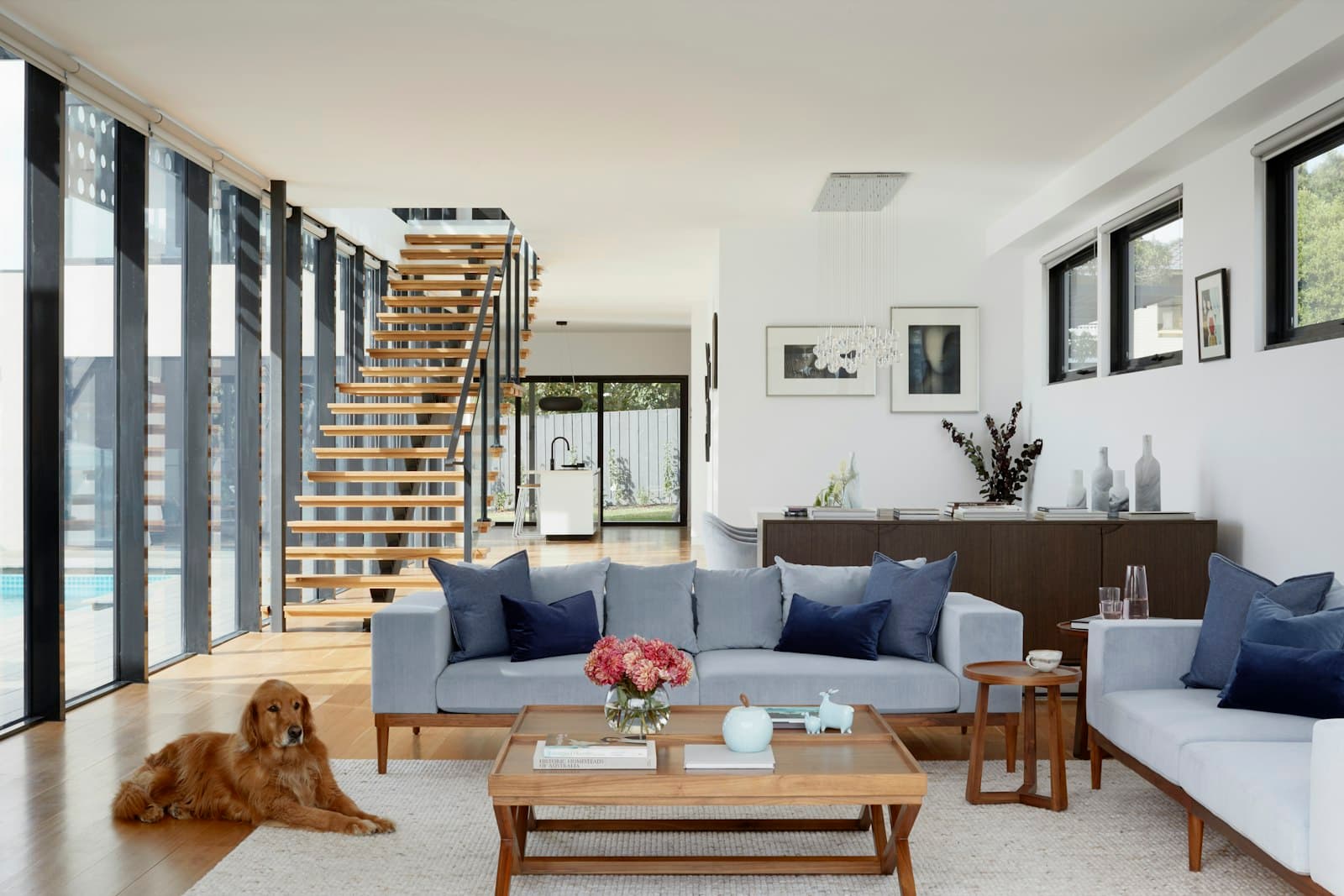
Japandi interior design emerged at the crossroads of two design philosophies separated by thousands of kilometres yet remarkably close in spirit: Japanese minimalism and Scandinavian functionality. Both traditions value simplicity, natural materials and deliberate emptiness over decorative abundance — so their fusion reads less like an artificial hybrid and more like a natural continuation of one another. Japandi suits anyone who wants a warm, calm interior without the sterility of bare minimalism or the flat whiteness of straightforward Scandinavian design.
What Japandi Interior Design Actually Means
Japandi is a compromise between Japanese wabi-sabi, which accepts imperfection and the natural ageing of material, and Scandinavian hygge, built around comfort and the functionality of everyday life. From Japan the style borrows a lean geometry, low furniture, attention to craft and deliberate emptiness — space that doesn't need to be filled. From Scandinavia it takes light wood, the practicality of every object, and soft, diffused light. Together this creates an interior that feels calm without feeling empty: warm enough that you actually want to spend time in it.
Where the Style Came From
The term "Japandi" surfaced in English-language design press in the mid-2010s, but the connection between Japanese and Scandinavian aesthetics is far older. As early as the mid-20th century, Scandinavian designers — Hans Wegner, Finn Juhl, Arne Jacobsen — openly drew on Japanese furniture and Zen philosophy, studying the work of Japanese masters through exhibitions and travel. Both traditions took shape under similar conditions: modest resources, long dark winters or a rainy season, and a culture of careful respect for material. Japandi, then, isn't a recent marketing invention but the naming of a connection that had existed in design for decades.
Key Features
- Low, light furniture — on slim legs, with open space underneath.
- Natural materials — light and dark wood, bamboo, linen, unglazed ceramics.
- A calm palette — beige, greyish brown, warm white with occasional graphite accents.
- Deliberate emptiness — clear surfaces instead of dense decorative arrangements.
- Handcrafted details — handmade ceramics or textiles instead of mass-produced decor.
- Diffused, warm light — no bright spotlights and no cold colour temperature.
How Japandi Differs From Minimalism and Scandinavian Style
At first glance Japandi is easy to confuse with both styles, but the difference lies in temperature and texture. Minimalism tends to favour cool, smooth surfaces and works on the contrast between emptiness and function — emotion here is subordinate to the logic of form. Scandinavian style is warmer in spirit but relies on light wood and an almost monochrome light palette, where colour accents are rare. Japandi, by contrast, deliberately brings in dark wood, earthy tones and the texture of raw materials — it's less sterile than minimalism and less "light" in palette than Scandinavian style, but it gains a sense of tactile warmth and inner balance.
Materials and Palette
In Japandi, materials are chosen for the honesty of their texture rather than for shine: matte wood in dark and light tones combined for contrast, linen and cotton with a dense, slightly coarse weave, unglazed or partially glazed ceramics, rice paper and brass in small details. The palette rests on warm neutrals — beige, sand, warm grey, deep graphite or black as an accent, usually in furniture rather than on walls. Bright colour is almost entirely absent: the only source of intensity is the natural tone of the material itself, not paint.
Japandi in an Everyday Apartment
Bringing Japandi into a standard apartment is easier than a pure Scandinavian style, because Japandi is inherently tolerant of an uneven floor plan. Start with furniture — replace bulky suites with a few low pieces with open space underneath, which visually lightens the room. Next comes texture: add linen, raw wood, handmade ceramics in place of glossy surfaces. It's important to leave some surfaces clear — don't fill every space with decor, since emptiness in Japandi works just as hard as an object does. If you're only just shaping the concept for a future renovation, the "Home of Your Dreams" course can help you understand the sequence of decisions — from choosing a style to handing over the finished space.
Japandi isn't a mix of two styles — it's the point where they always agreed: respect for material and the discipline of empty space.
Japandi interior design suits anyone tired of cold minimalism but not ready for the density of classical or eclectic styles. It's an interior for a slower life — unhurried, free of visual noise, attentive to the tactile quality of every surface. A well-made Japandi design project balances Japanese restraint with Scandinavian comfort, keeping the space functional but unhurried — the kind of place you want to simply be in, not just live in.